Category: Florida birding

  • EAGLE UPDATE, FEBRUARY

    For WILD BIRD WEDNESDAY. Thanks Stewart for hosting!  And also thanks to Misty's   CAMERA CRITTERS. 


    The Bayshore Road eaglets born January 1 and 3 are getting bigger by the moment.   (I posted about them last month .)     In human terms, it seems like they've reached the awkward age.  They've been named Hope and Honor.

    Whichever one this is looks as if s/he's posing for the video cam (or maybe singing into it):

    P1010071-001

    The little guys keep mom and dad busy.  They have adolescent appetites… even though they eat a lot, they always seem hungry.  Looks like mom's ignoring the hunger cries here:


    P1010076

    It's been interesting to watch the parents build the nest railings higher and higher as the babies grow and get more mobile.  And a little scary.

    P1010069-001


    Anybody can check in with the nest  by video camera any time (and I look at least once a day). But when we're out and about and have time to stop, it's really fun to visit "in person".

    Here's what it  looks like on the ground under the nest.  Pretty horses, dedicated birders (there are always a few) … and a busy little cattle egret thrown in for a birding extra.

    BAYSHORE EAGLES FEB 20131

    It has rained a little and been colder (for here) and windier here since I took these pictures, but all seems well at the nest.


  • BIRDING THE SWAMP


    A few of the usual suspects  as seen on a recent weekend walk  – for Stuart's Wild Bird Wednesday.  


      P1000891

     Our first woodstork photo op of the season.  There's an ibis hiding out on the back branch as well.


    P1000893


    A pretty little mockingbird enjoying the warm day.


    P1000875

    Even in bad light, the cormorant is easy to recognize.    (I don't know which kind of cormorant it was though.) 


    P1000886


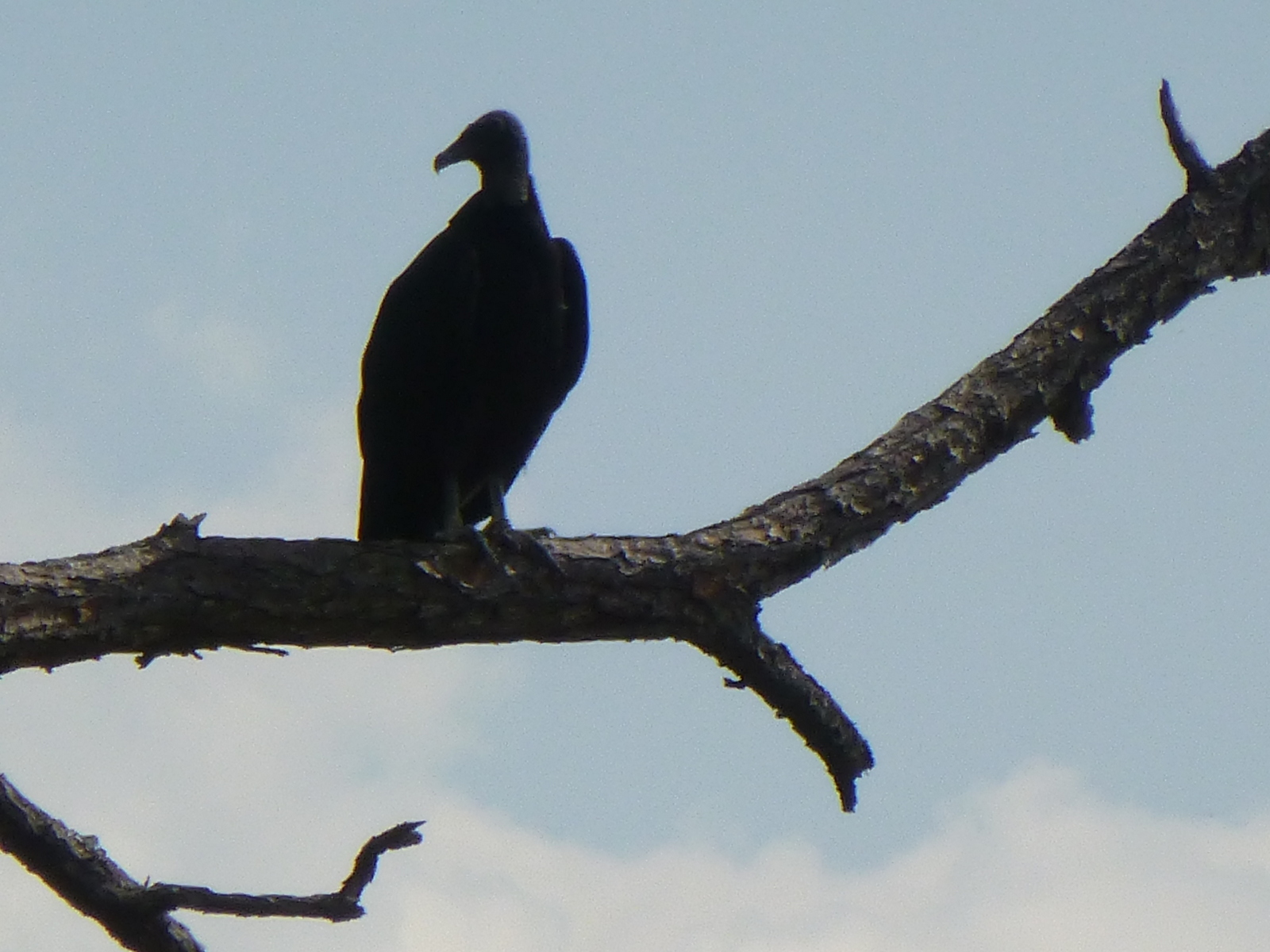
    The turkey vulture looks like he's wondering where his next meal is coming from.


     Not the greatest birding  – but a lovely day nonetheless.  It was warm and dry enough to go for a walk in the swampy woods.   Everything else is a bonus!


    For great virtual birding, visit Stuart's site and click the links.  

  • MAMA EAGLE ON HER NEST


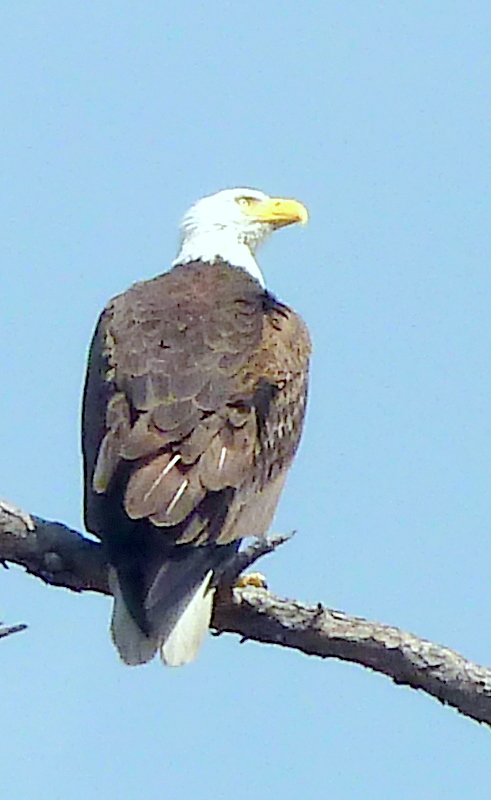
     This is the beautiful Harriet, half of the pair of bald eagles nesting about three miles from us on Bayshore Road here in Fort Myers Florida.

    P1000901


    She's watching her two babies and you can see them by clicking here — a 24/7 video camera installed by the owners of the property where Ozzie and Harriet have nested in this slash-pine for seven years.  (The eaglets hatched on January 1 and 3.)


    2013-01-14

    The video camera is quite visible.  It was installed before the birds returned to their nest in the Fall and  they don't seem to pay any attention to it.

    Ozzie didn't show up when I stopped to take pictures yesterday morning — undoubtedly he was out fishing for the next family meal.  One of our neighbors, whose house faces the Caloosahatchie River, looked out his window early one morning  to see Ozzie catch a  mullet.  He went to his computer to watch the live video-cam and a few seconds later watched dad deliver the morning's meal to his mate and kiddies.

    It's been fun watching the eaglets hatch and grow. And it's certainly the first and only  time I've ever been addicted to reality TV!


    This post is linked to  WILD BIRD WEDNESDAY.  Thanks to Stuart for hosting.  Click on the links for some great virtual birding.

  • RUDDY TURNSTONE


    A Ruddy Turnstone enjoys a clam dinner on the beach at Fort DeSoto State Park:  


    ruddy turnstone with clamshell


    The mass of beach detritus (in the picture below) was jumping around as if there were an earthquake under it.  It took a few minutes before I saw the birds that were making it move.  Three or  four Turnstones had dug under the sticks and were tossing the material up and down as they burrowed under it for more to eat.


    ruddy turnstone with dried seaweed

    From Audubon Society Field Guide. Eastern Region:    Turnstones are named from their method of feeding, in which they walk along the beach, deftly roling small stones and pebbles and seizing the animals hiding underneath.  They also dig holes in the sand, often larger than themselves, in pursuit of burrowing crustaceans.  


    ruddy turnstone with shells

    It was shells and twigs that they were turning over here, but whatever they're working on, the beach is a real buffet for these little guys.  (They're about 8 inches long.)


    ruddy turnstone front view

    Looks like he's had enough to eat for now!


    This post is linked to WILD BIRD WEDNESDAY.  Thank you Stuart.  And if you haven't already seen yesterday's post on our eagle neighbors, you may want to scroll back to it.  (It isn't often that I have enough birding experiences to post twice in one week and I'm excited about it!)

  • OUR LOCAL EAGLES 2012


     Here's a picture I took last year of half of the handsome pair of bald eagles that live near us here in North Fort Myers.  I posted about them last spring.   We see at least one of these eagles almost every time we drive out of our RV Park.   This year, the people who own the property where the pair nest have installed a web cam.  Many of us  are watching  and waiting for their eggs to hatch.  (According to an article in our newspaper, its not just those of us lucky enough to be their neighbors.  Now that they are video stars,  the pair, named Ozzie and Harriet,  has a world-wide fan base.)   


    003-004


    Here's a better link that I just found.  You can skip the commercials on this one.

      Here is a link to the eagle cam.   I hope we're watching when the eggs hatch!

      (Apologies — when you first turn it on there's half a minute of advertising before the cam kicks in. ) 


    Thanks to Anni at I'd Rather B'Birding.  

  • ROADTRIP

     For Sunday Stills and Mosaic Monday (scroll down).  Thanks to the hosts! 

      Colorado sky drive by

    We couldn't wish for a better theme for the SUNDAY STILLS weekly photo challenge than ROADS. It's just tailor-made for us.  Because we've been just completed a wonderful ROADtrip!  So thanks guys…perfect timing.

    Roadtrip temp for sunday

    The top picture is the Colorado we usually see from the road when we first reach this beautiful State.  It's last year's picture though, because this time (1) we flew from Florida to Denver and (2) the State was so smoky from all the terrible fires that it wouldn't have looked this beautiful anyway.

    The MOSAIC (for) MONDAY is composed of "drive-by" pictures (all featuring roads) from this year's roadtrip.  It was a short one (for us) but we drove many new roads and saw much new territory in the ten days… a great experience.  (Thanks Geoff and Lisa for making it possible.)


    Top row:  Great Sand Dunes National Park; bottom of Canyon De Chelly (with the Jeep we hired for a guided tour); Monument Valley

    Bottom row:  Monument Valley, Mesa Verde National Park, View from Rabbit Hill (during our visit at the kids home before the roadtrip)

  • WOOD STORKS: still endangered?


    FOR WORLD BIRD WEDNESDAY and NATURE NOTES.  Can't let a season in Florida go by without posting something about our native wood storks.  We could hardly believe what we were seeing when we first saw these odd-looking ungainly birds four years ago.   

    storks in tree

     Because of loss of shallow wetlands in South Florida, due to agriculture and over-building, this species has been on the endangered species list since 1984.  These pictures were taken in April at Big Cypress but during the winter  months, we even see them feeding in ditches and canals.  Because they are so frequently seen, there's a big push on to take them off the endangered list.

    storks - big cypress wetlands

    However, according to stork researcher Jason Lauritsen, assistant director at Audubon's Corkscrew Swamp Sanctuary, the birds searching for food in those city ditches are not nesting birds.  They are merely biding time, waiting for the return of quality wetlands.  The birds depend on shallow wetlands for foraging early in their breeding season (winter, the dry season here). Lack of good foraging causes later breeding and nesting and when nests are started late in the season they usually fail.     

    stork head down
    A healthy population of breeding storks would be a sign that ongoing efforts to restore the Everglades is succeeding, but according to Lauritsen, the species is far from meeting the criteria to be considered fully recovered.     


         An article by Jason Lauritsen in the Fort Myers News Press was the information source.


  • PATIENCE

    FOR OUR WORLD TUESDAY


      072-001

     Adopt the pace of nature:  her secret is patience.

                                             _____________  Ralph Waldo Emerson


    It's been that kind of week — lots to do in the few weeks we have remaining this season here at Upriver.  Most of those things aren't good picture opportunities and everything takes too long.    But patience is a virtue — and there will soon be more days to go outside and play.  

    And at least we don't have to stand around and wait patiently for dinner to come by (although actually that might not be a bad thing).  


    Thank you to Sylvia, Sandy, Arija, Gattina,and  Lady Fi who bring us Our World every week.

  • CASTING SHADOWS IN THE EVERGLADES

    This post is linked at  SHADOW SHOT SUNDAY 


    anhinga everglades

     An anhinga spreads his wings in the sunshine.


    water lily-like plant everglades

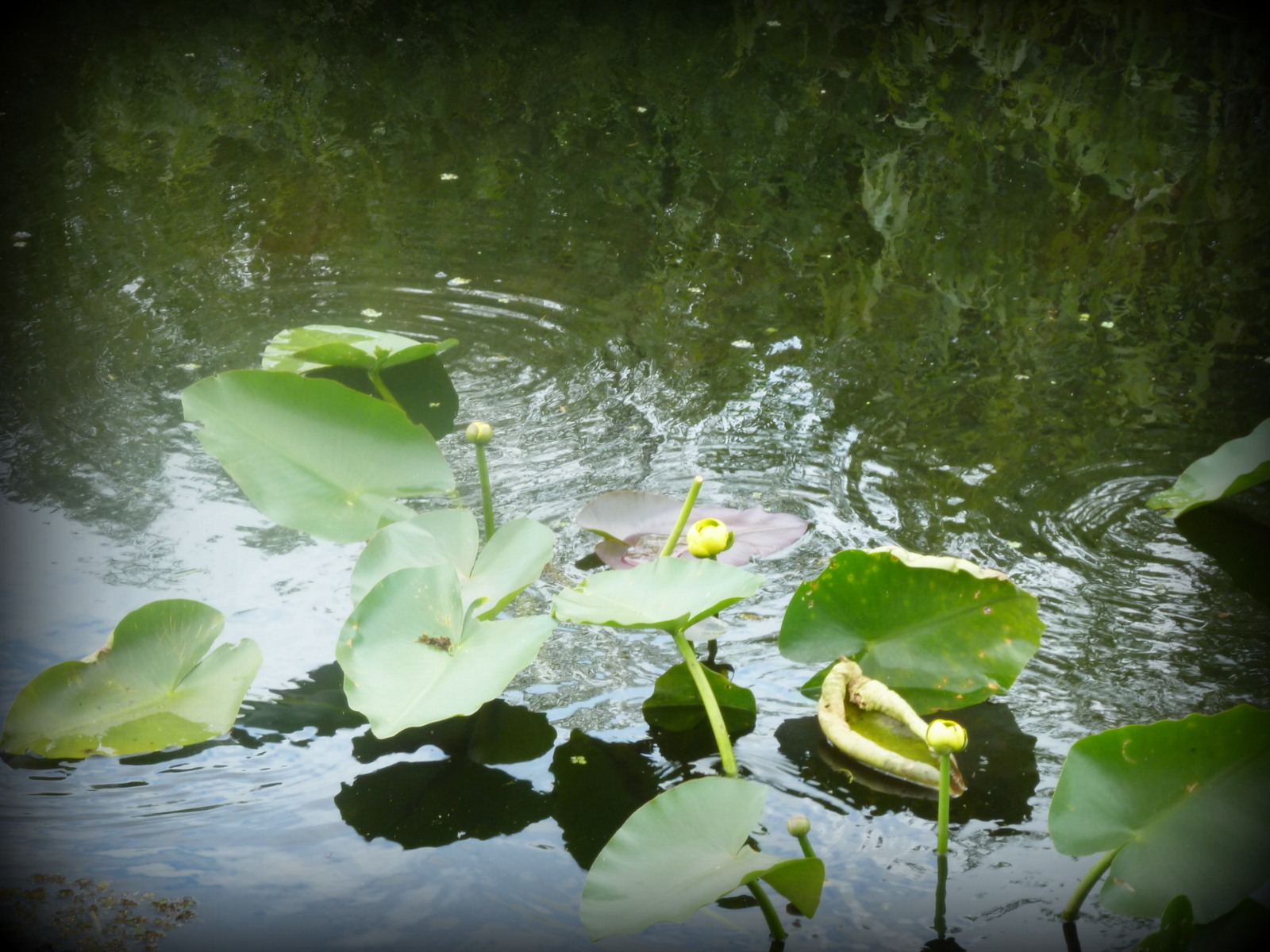
    A swamp plant casts big shadows.  I thought this was a water lily that hadn't bloomed yet, but learned it never opens any further than this.  Sadly, I can't remember what else we learned about this plant — including its name.

    _______________

    SHADOW SHOT SUNDAY is hosted this week by Rose.  (Thanks to all three hosts for continuing this meme.      Click the links — take a look at what shadows can do.

    ________________

  • SPRING ALARM

     This post is linked to World Bird Wednesday **

    Please join us in saying good morning to Woody, who has been our alarm clock this Spring.  Our 'cottage' is situated with the living part of the house where we can look out on the canal, so our bedroom's on the street side… our "backyard".   Every morning for the last month or so, Woody has used this utility pole outside our window to drum out what's apparently his courtship ritual.  Sometimes even on the metal.  He'll sing along too!

    2012-04-29

    I read that the louder the noise a woodpecker makes the more it attracts the female.  He tries, but he's still up there alone every morning, so apparently something's not working real well for him.     

    We don't really mind this kind of alarm clock at all.  It's a lot better than the kind we used when we had to get to work.   Sometimes we just go back to sleep listening as he keeps trying.  

     __________

     This bird is about the size of a robin — so I'm guessing maybe a red-bellied woodpecker, because the red goes all the way down the back of his head.  (There are woodsy areas in the wetlands behind the houses across the street from us.)


    ** Do go visit Dave at WORLD BIRD WEDNESDAY  – admire his pictures and read what he has to say (it is always worthwhile)  and so are the links to other wonderful bird blogs.